AI Is No Longer Optional in Paid Advertising
Artificial intelligence has moved from a buzzword to the backbone of paid advertising on every major US platform. Google, Meta, and Amazon have all embedded AI deeply into their ad systems, and advertisers who understand how to work with these AI systems are consistently outperforming those who fight against them or ignore them.
Average improvement in conversion rate for campaigns using Google's Smart Bidding
Faster creative testing with AI-generated ad variant tools vs. manual A/B testing
Year when AI-generated ad creatives surpassed human-designed variants in CTR tests
AI-Powered Bidding: Smart Bidding Strategies
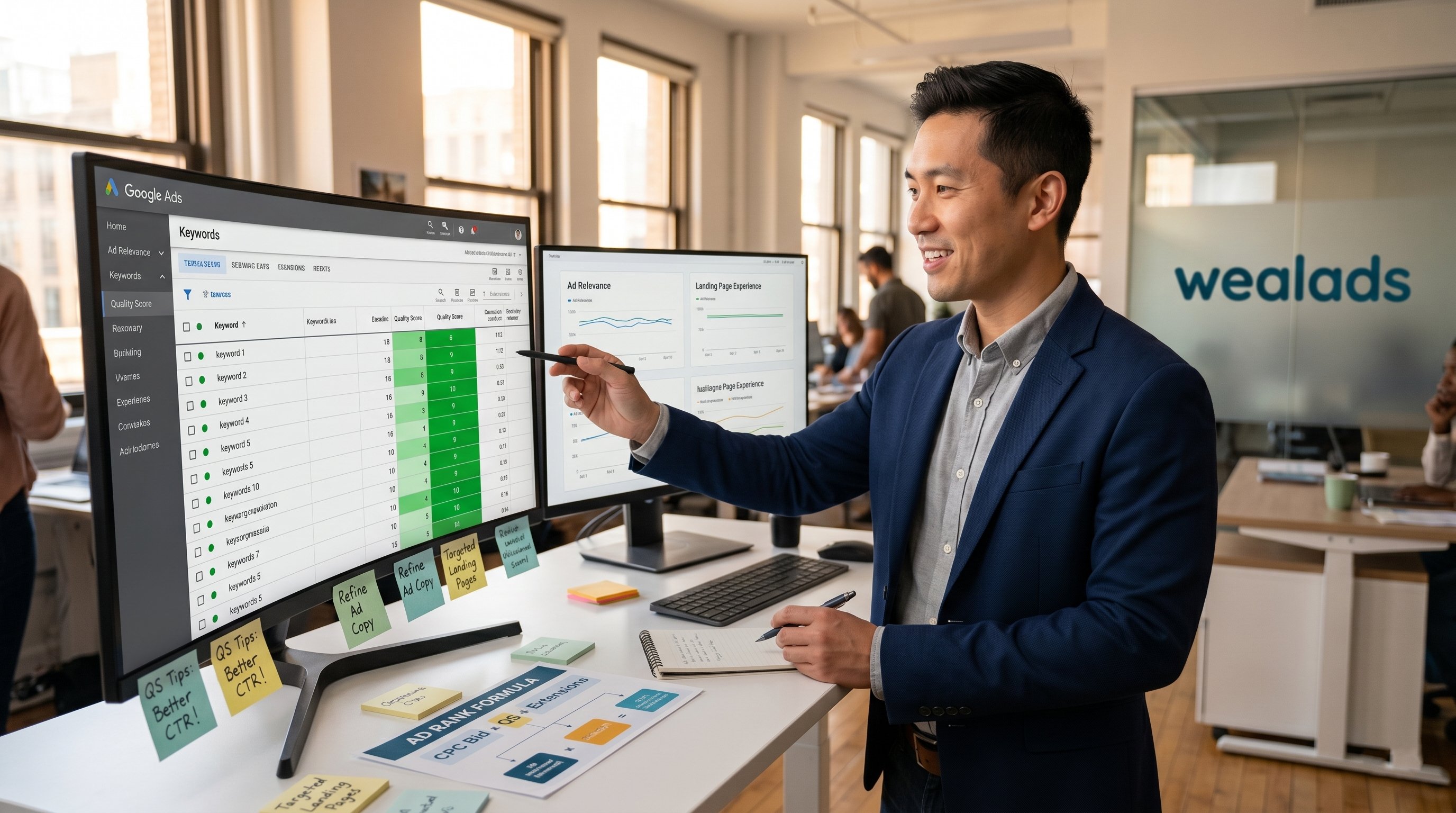
Google's Smart Bidding uses machine learning to optimize bids for every auction in real time, factoring in dozens of contextual signals: device, location, time of day, browser, search query, audience membership, and more. For US advertisers, the most effective Smart Bidding strategies in 2026 are:
- Target CPA (tCPA): Best for lead generation. Tell Google your target cost per lead and it optimizes bids to hit that target. Requires 30–50 conversions/month minimum for best results.
- Target ROAS (tROAS): Best for e-commerce. Set a revenue target and Google adjusts bids to hit your ROAS goal. Requires 50+ conversions/month.
- Maximize Conversions: Best for campaigns building volume. Google spends your full budget to get as many conversions as possible.
- Enhanced CPC (eCPC): A good starting point for newer accounts, gives Google limited bidding flexibility while you maintain control.
AI in Audience Targeting
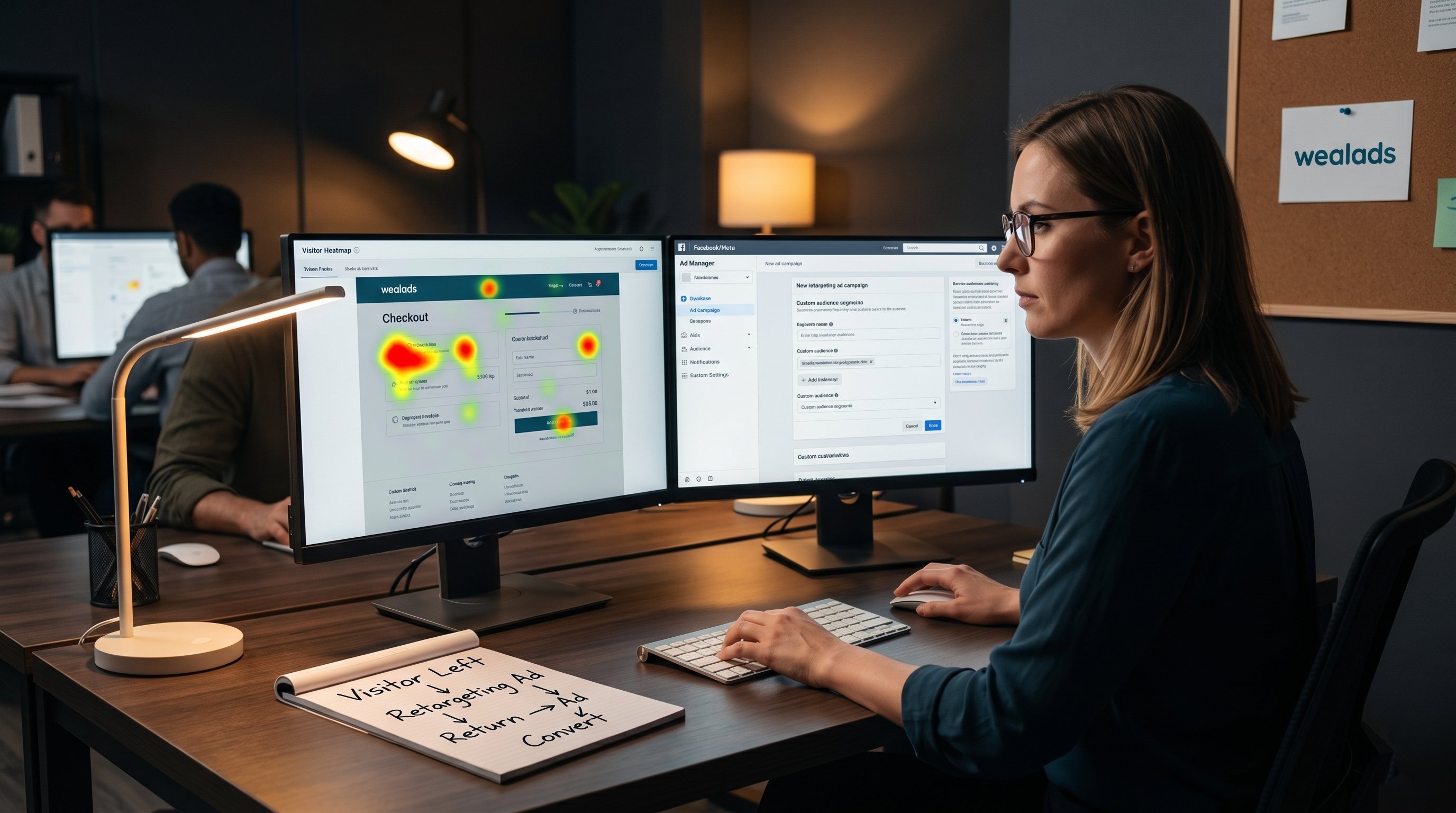
Meta's Advantage+ Audiences and Google's Optimized Targeting both use AI to expand your audience beyond manual selections when the algorithm identifies high-probability converters outside your defined targeting. In 2026, most US advertisers see 15–40% lower CPAs when using AI-expanded audiences compared to strict manual targeting.
The key to making AI audience expansion work: give the algorithm clear conversion signals. The more purchases, leads, or form completions your pixel/tag records, the smarter the targeting becomes. Brands with rich conversion data consistently outperform those with sparse signals.
AI-Generated Creative: The New Testing Frontier
Google's Asset Generation and Meta's Advantage+ Creative both use AI to automatically generate ad copy variants, resize creatives, and test combinations at scale. US advertisers using these tools in 2026 report testing 10–20x more creative variations than was possible manually, leading to faster discovery of top-performing ad concepts.
Best practice: provide the AI with 5–10 strong seed creatives, clear brand guidelines, and accurate product/service information. The AI amplifies good inputs and scales what works, it can't compensate for weak creative foundations.
Performance Max Campaigns: What You Need to Know
Google's Performance Max (PMax) campaigns use AI to serve ads across all Google channels, Search, Display, YouTube, Gmail, Maps, and Discover, from a single campaign. PMax campaigns require you to provide asset groups (headlines, descriptions, images, videos) and Google's AI determines where, when, and to whom to show them.
💡 PMax Tip: Always run brand keyword exclusions in PMax to prevent it from cannibalizing your existing branded search campaigns. Add audience signals (customer lists, website visitors) to help the AI start from the right place.
The Human Role in an AI-Driven Ad World
AI handles optimization and pattern recognition. Humans provide strategy, creative direction, business context, and quality control. The most successful US advertisers in 2026 use AI to automate execution while focusing their human expertise on audience understanding, brand positioning, offer creation, and landing page strategy.
Ready to Grow Your Business?
Let Weal Ads build a performance marketing strategy tailored to your goals and US market audience.
Get Your Free Consultation